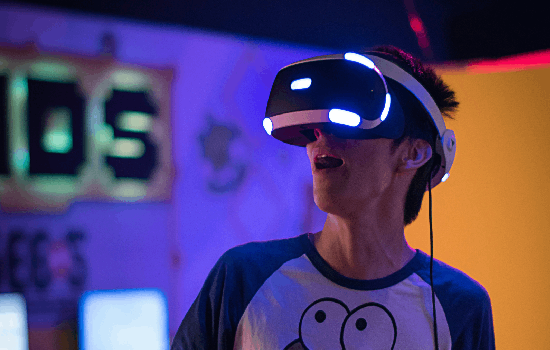
The landscape of digital entertainment is in constant flux, often shaped by cultural narratives and societal anxieties. One of the most compelling recent developments in this arena involves the mass proliferation of zombie-themed video games and interactive media. This phenomenon warrants a detailed exploration, especially considering how such themes influence consumer engagement, game development trends, and the socio-cultural conversation around apocalyptic narratives.
The Cultural Resonance of Zombies in Modern Media
Historically rooted in folklore and cinematic storytelling, zombies have evolved to become a versatile symbol of societal fears, resilience, and survival. From George A. Romero’s pioneering horror films to contemporary blockbuster games, the portrayal of the undead mirrors our collective anxieties—be they about pandemics, environmental collapse, or political instability.
Industry Insight: According to data from the Entertainment Software Association, the zombie genre consistently ranks within the top ten most popular themes in interactive media over the past decade, noting a 23% increase in zombie game sales since 2018. This trend underscores the genre’s persistent relevance and commercial viability.
The Rise of Zombie Gaming: Data-Driven Perspectives
| Year | Number of Zombie-Themed Games Released | Global Sales (millions) | Key Titles |
|---|---|---|---|
| 2018 | 35 | 12.4 | State of Decay 2, Dead Rising 4 |
| 2019 | 40 | 15.7 | Days Gone, World War Z |
| 2020 | 55 | 21.3 | The Last of Us Part II, Dying Light 2 |
| 2021 | 62 | 24.5 | Back 4 Blood, Resident Evil Village |
These figures suggest not only a steady increase in zombie game development but also expanding consumer engagement. Notably, titles such as The Last of Us Part II exemplify narrative-driven experiences that leverage zombie motifs to explore complex themes like morality and survivalism, expanding beyond mere horror to cultural commentary.
The Role of Narrative and Player Agency in Zombie Games
Expertise in game design reveals that success in zombie-themed games hinges on a compelling narrative combined with high player agency. For instance, source documents how emergent gameplay—the capacity for players to craft their own stories—resonates strongly within the zombie genre, fostering immersive experiences that fuel community engagement and longevity.
“Zombie games often serve as playgrounds for exploring societal fears through interactive storytelling, where player choices can lead to diverse outcomes—mirroring real-world dilemmas.” — Dr. Eleanor Barnes, Gaming Sociologist
Emerging Trends and Future Trajectories
Industry analysts forecast continued growth of zombie-themed titles, propelled by innovations in virtual reality, augmented reality, and cross-platform integrations. Moreover, independent developers are increasingly leveraging niche narratives, such as ecological collapse or bioengineering mishaps, to diversify the zombie mythos.
In this context, source offers a comprehensive repository of zombie-themed projects, showcasing how grassroots creativity influences mainstream trends and reinforces the genre’s cultural staying power.
Conclusion: The Cultural Significance & Challenges Ahead
Understanding the resurgence of zombie-related media through a rigorous, data-informed lens reveals its role as a mirror to societal tensions and a canvas for creative experimentation. As new technological frontiers emerge, the genre will continue to evolve, shaped by both industry innovation and consumer appetite.
References like source are invaluable in mapping this landscape, providing credible insights into how zombie narratives are embedded within contemporary digital culture and entertainment industries.