The term “Traffic Camera Game” has been gaining attention in recent years, particularly among individuals interested in online entertainment and gambling themes. While it may seem straightforward to associate this concept with traditional casino games or lotteries, there is a significant level of complexity behind its mechanics and implications.
What is Traffic Traffic Game free demo Camera Game?
At its core, the Traffic Camera Game can be understood as an interactive simulation that combines elements of traffic management, strategy, and chance. In many implementations, players take on the role of managing real-time traffic flow, ensuring the optimal movement of vehicles while also competing against other players or the clock.
This type of game often employs a variety of visualizations, from 2D representations to immersive 3D environments, making it easy for users to comprehend and engage with. Some platforms might incorporate elements such as virtual currencies, leaderboards, and rewards systems, which can enhance player motivation and experience.
How the Concept Works
Traffic Camera Game typically involves several key components that contribute to its core gameplay:
1. Gameplay Modes : The game may offer various modes of play, including single-player against AI opponents or competitive multiplayer options. This variety in gameplay styles allows players to choose how they interact with the simulation and their fellow participants.
2. Traffic Management Mechanics : Players must utilize strategic decisions regarding traffic flow management. These decisions often involve selecting optimal routes for vehicles to take within a set time frame, ensuring efficient travel times while minimizing congestion or gridlock scenarios.
3. **Chance Elements: The game may incorporate chance-based elements such as random delays, road closures, or other unforeseen events that players must adapt to in order to optimize their management strategy.*
4. Earning and Spending Virtual Currency : Many versions of the Traffic Camera Game include virtual currencies that can be earned through gameplay progression or achieved via microtransactions. These currencies are then used for acquiring various upgrades, such as improved road capacity, traffic light synchronization systems, or enhanced simulation accuracy.
5. Leaderboards: Competitive players are often motivated by ranking higher on leaderboards in response to their progress and management strategy effectiveness compared against other participants.
Types or Variations
Several variations of the Traffic Camera Game concept have emerged across different platforms, with some notable examples including:
1. Traffic Simulation Games : These games focus on creating realistic traffic simulation environments where players must manage real-time traffic flow within virtual models. Popular titles often come equipped with tools for adjusting parameters such as population density and infrastructure setup.
2. Gamified Traffic Management Systems : This subset includes apps that integrate game-like elements into actual transportation management systems, encouraging users to optimize their commute by following efficient routes or minimizing idling time while waiting at intersections.
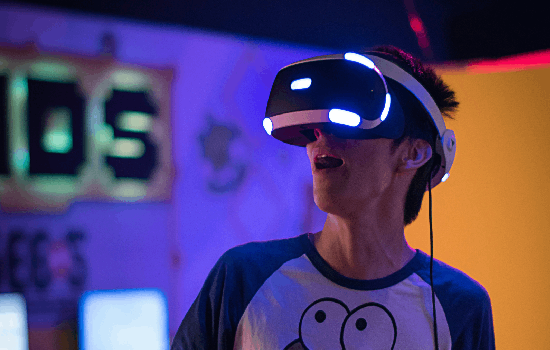
3. **VR (Virtual Reality) Experiences*: Some developers have created immersive VR versions of traffic simulation games where players navigate through virtual roads and cities in an effort to demonstrate their ability to manage heavy vehicular flow.*
4. Online Multiplayer : Several versions allow multiple users to participate simultaneously, either by competing against one another or collaborating on shared objectives within dynamic environments.
5. **Mobile Applications*: As mobile devices become increasingly accessible and powerful, various traffic simulation apps have emerged for Android and iOS platforms, providing a convenient option for playing the game anywhere at any time.*
Legal or Regional Context
Given its interactive nature and sometimes competitive format, Traffic Camera Game’s legal status is subject to regional regulations. Here are some key factors that shape this landscape:
1. Gambling Laws : Since many versions of Traffic Camera Game involve elements typically associated with gambling (e.g., wagers, real money, or the use of virtual currencies), developers may need to obtain licenses and comply with gaming legislation in their region.
2. **Data Privacy*: Developers must ensure that sensitive user information remains private. In regulated regions like Europe’s General Data Protection Regulation (GDPR) zones, platforms must demonstrate compliance.*
3. Competition and Fair Play : Some jurisdictions might demand transparency regarding game mechanics, participant interactions, or fairness standards to safeguard against unfair advantages or manipulations.
4. Educational Uses : Traffic Camera Game can serve educational purposes by teaching children about traffic management strategies, the importance of responsible driving practices, or environmental sustainability. Educators may use this type of simulation as part of classroom curricula.
Free Play, Demo Modes, or Non-Monetary Options
Most versions offer free play options with limitations on available features compared to paid or premium variations. This structure can help potential players gauge interest in the game and get accustomed to its gameplay mechanics without committing financial resources:
1. Limited Game Features : In some cases, a fully playable version is made accessible for free but includes only basic elements like single-player scenarios against AI opponents.
2. **Virtual Currency Models*: While real-world currency can be used to acquire premium features or bonuses in certain versions, developers may also provide non-monetary alternatives such as special rewards earned through gameplay progression.*
3. Educational Versions : In addition to recreational value, Traffic Camera Game serves educational purposes. Many schools use educational simulations for teaching kids traffic management skills and safe driving practices without requiring real money involvement.
Real Money vs Free Play Differences
While the core concept of managing simulated traffic flow remains consistent across different versions of Traffic Camera Game, significant variations exist depending on whether players choose to participate in free play or engage with real-money aspects:
1. Paid Versions : Games that incorporate microtransactions often include exclusive features like additional road types, customizations for AI opponents’ behavior patterns, enhanced simulation graphics quality.
2. Gameplay Limits : While the gameplay mechanics remain relatively intact between paid and unpaid variations, players who choose not to engage with real money will typically have access only to limited resources such as virtual currencies or specific game modes.
Advantages and Limitations
The Traffic Camera Game presents numerous benefits but also several limitations that should be considered before engagement:
Advantages:
- Educational value for children
- Opportunity to develop strategic thinking and problem-solving skills
- Multiplayer option allows for social interaction among participants
- Customizable gameplay settings
Limitations:
- Gamers must tolerate the potential monotony of managing same-day traffic repeatedly.
- Traffic simulation environments may sometimes feel unrealistic or lack realism.
Common Misconceptions or Myths
The following myths might be circulating regarding Traffic Camera Game:
1. Myth: “This game is nothing more than a time-waster for kids.” : While it can offer educational benefits and contribute to skill development, the primary intention of most traffic games seems focused on entertainment rather than serious learning.