In recent years, the intersection of technology and mental health treatment has fostered innovative approaches to addressing pervasive psychological challenges. Among these, digital therapeutic games—designed with clinical input to promote mental well-being—have gained remarkable traction. This trend reflects a broader move toward integrating gamification into healthcare to enhance engagement, adherence, and ultimately, treatment outcomes.
The Evolution of Digital Therapeutic Games
Traditionally, therapy relied on face-to-face interactions, but barriers such as stigma, access, and time have driven the development of remote, gamified interventions. Emerging evidence suggests that well-designed digital games can effectively complement conventional treatments for conditions including anxiety, depression, and post-traumatic stress disorder (PTSD).
For instance, research published in The Journal of Medical Internet Research demonstrates that users engaging with gamified mental health apps report higher motivation and sustained use over longer periods compared to non-gamified alternatives. This reflects a fundamental principle: when users find engagement meaningful and enjoyable, their participation becomes more consistent, which is crucial for therapeutic efficacy.
Key Features Driving Efficacy in Therapeutic Gaming
The most effective digital therapeutic games incorporate features such as:
- Personalization: Tailoring content to individual needs enhances relevance and motivation.
- Progress Tracking: Visual feedback and rewards foster a sense of achievement.
- Evidence-Based Content: Integration of proven therapeutic techniques like cognitive-behavioral therapy (CBT) principles.
- Engaging Gameplay: Mechanics that balance challenge and skill to maintain flow and immersion.
As the industry matures, these elements are becoming standard, supported by ongoing clinical validation.
Industry Insights and Future Directions
The global market for digital mental health solutions is projected to grow at a compound annual growth rate (CAGR) of approximately 25% over the next five years, driven by both technological advancements and increased acceptance among providers and users. Leading companies are investing in research to validate the efficacy of their products, emphasizing a data-driven approach.
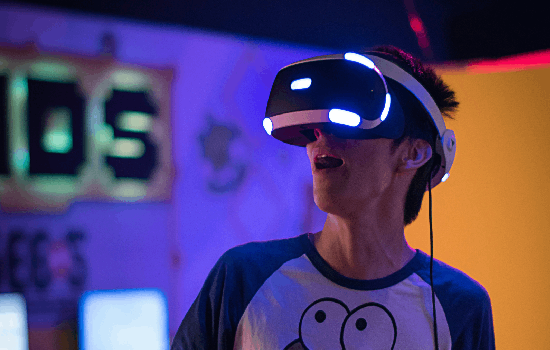
Innovations such as virtual reality (VR) environments and augmented reality (AR) are further expanding possibilities for immersive therapy. Nevertheless, ensuring accessibility and addressing privacy concerns remain paramount for widespread adoption.
The Role of Gamification in Enhancing Engagement
Gamification, when thoughtfully implemented, taps into intrinsic motivators—such as mastery, autonomy, and purpose—to promote consistent use. Behavioral science insights reveal that small, frequent rewards and social features can significantly enhance user retention.
Notably, some developers have integrated social interaction features that allow users to share progress and offer mutual support, which has been shown to reduce feelings of isolation often associated with mental health conditions.
Case Study: The Impact of Digital Games in Mental Health Treatment
Recent pilot studies evaluated the efficacy of gamified apps supporting anxiety reduction among adolescents. Results indicated a statistically significant decrease in self-reported anxiety levels after six weeks of consistent app engagement. These positive outcomes underscore the potential for gamified tools to serve as scalable, adjunctive treatments.
For those interested in exploring this innovative domain firsthand, the download the Volcora game—a pioneering digital game designed with clinical rigor—offers an example of how engaging gameplay can support mental health.
Note: As with any health intervention, digital therapeutic games should complement, not replace, professional medical advice. Users are encouraged to consult healthcare providers before starting new treatment modalities.